
A framework, not a catalogue
We organise products by the commercial job they do. The same busy board can be a market test for one buyer and a component of a subscription tier for another — the framework decides which, before anything is quoted.
Classic age-stage boxes
Brands and subscription sellers building a recognisable age-stage system.
Establish a core range that a buyer can understand in one look.
- Play kits by month band
- Infant development sets
- Core range packaging
Detailed stage boxes
Premium subscriptions and brands that need continuous differentiation.
Support repeat purchase with finer developmental steps.
- Finer month bands
- Progressive difficulty
- Refresh-ready components
Themed collections
Buyers expanding categories or simplifying assortment building.
Create a theme that carries several products at once.
- Sensory
- Music and sound
- Practical life and pretend play
Independent products
Marketplace and e-commerce sellers testing demand.
Test a product quickly, then scale the ones that work.
- Busy boards
- Rainbow and acrylic blocks
- Sensory tables and puzzles
Specialist lines
Buyers building category authority or serving a defined channel.
Add depth that a general range cannot carry.
- Montessori materials
- Wooden-acrylic translucent blocks
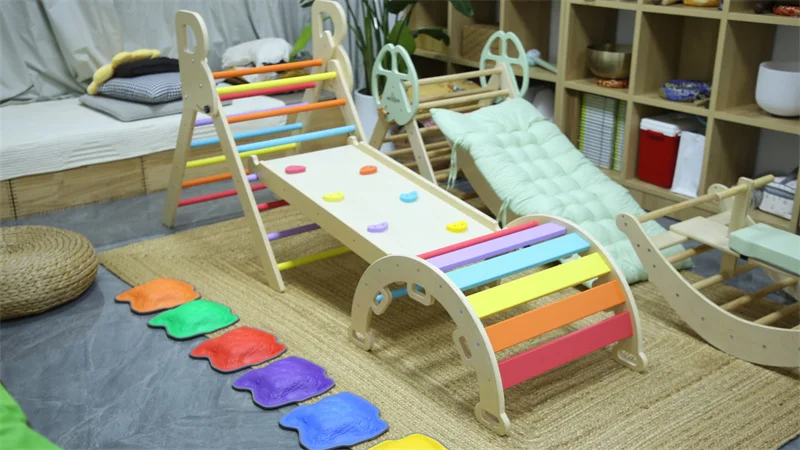
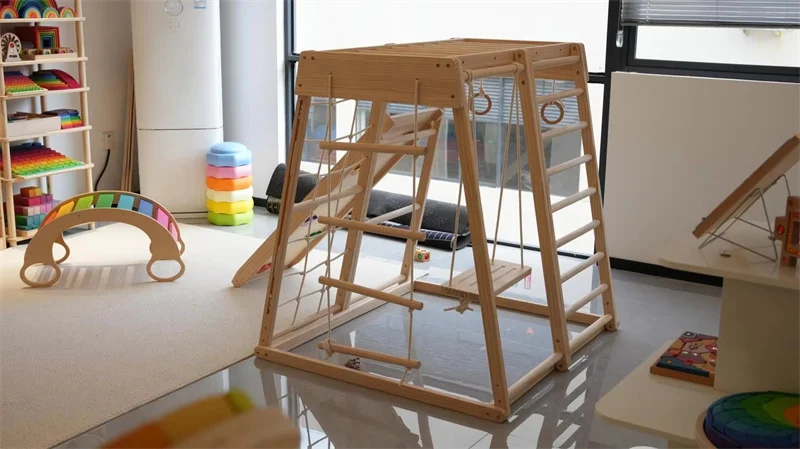
- Large-format pretend play and Pikler
Why the layer matters more than the item
A buyer who orders forty independent products and a buyer who builds a twelve-month age-stage programme need different things from us: different sampling depth, different packaging, different document scope, different production routing.
Choosing the layer first is what keeps a range coherent — and what stops a first order from becoming a warehouse of items that do not talk to each other.
Prices are quoted per project and are not published here. Availability, minimum order quantity and lead time are confirmed against the selected products, materials and destination market.
Every product route ends at the same place: a confirmed specification and a document pack.